If you’ve ever wondered whether play really counts as learning, here’s your sign that yes, it absolutely does! Young children learn best through hands-on exploration, movement, and imaginative thinking. That’s why play-based learning isn’t just fun, it’s absolutely foundational!
In this post, I’m sharing five simple, low-prep activities that you can start using at home today to support your preschooler’s development. Whether you’re a homeschooler, stay-at-home parent, or educator, these ideas are designed to be flexible, meaningful, and most importantly, engaging and fun!
1. Sensory Bin Exploration
What You Need:
A shallow bin, rice or dry pasta, measuring cups, small toys or puzzle pieces
What It Teaches:
Fine motor development, Language and vocabulary, Scientific observation skills.
How to Use It:
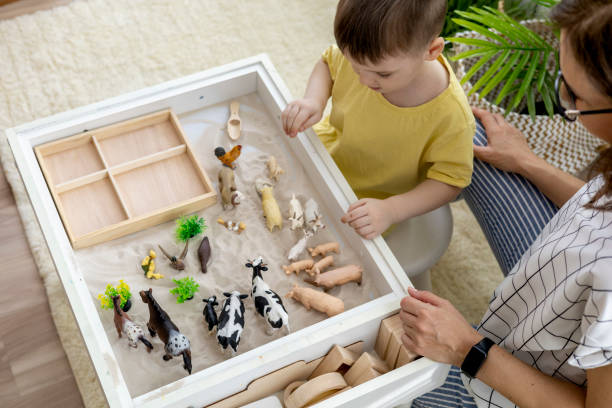
Pour your sensory filler into a bin and hide small objects for your child to find. Let them scoop, pour, and dig. Try creating a theme, like a “bug hunt” or “kitchen mix station.
Need inspo? Grab my free sensory bin idea list below, quick, simple, and ready to use!
2. Backyard (or Indoor!) Nature Scavenger Hunt
What You Need:
Paper, pencil, and curiosity (optionally a printed checklist)
What It Teaches: Observation, Categorization, New vocabulary and sensory awareness.
How to Use It:
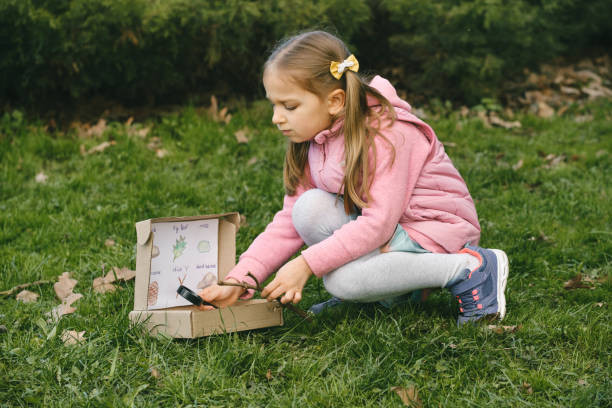
Make a list of things to find: something rough, something green, something soft, etc. Let your child check them off as they explore. Indoors? Hunt for items by texture, shape, or color instead.
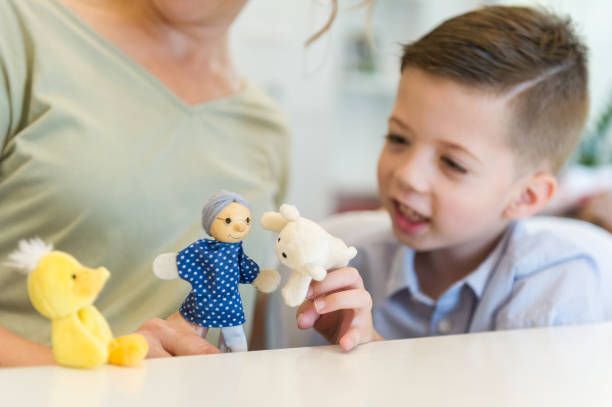
3. Storytime + Act-It-Out Play
What You Need:
Any children’s book and a few dress-up props or stuffed animals
What It Teaches: Comprehension, Sequencing, Social-emotional skills.
How to Use It:
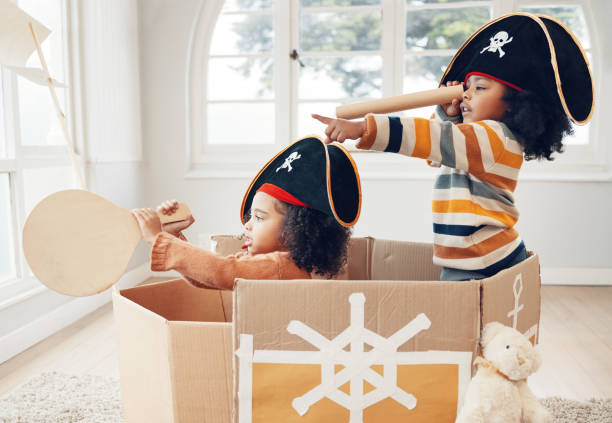
Read a favorite story aloud, then invite your child to retell or act it out using props. Let them take the lead, you’ll be amazed how much language and memory is involved when they “become” the character.
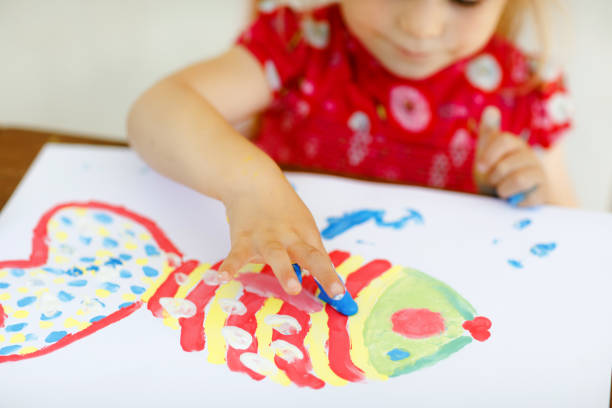
4. Art with a Twist
What You Need:
Paint, markers, glue, paper, and one “unexpected” supply (foil, cotton balls, bubble wrap)
What It Teaches: Creativity and expression, Fine motor coordination, Problem-solving and planning.
How to Use It:
Set out traditional art materials along with one new texture or medium. Ask: “What could we make with this?” Follow their ideas and let the creativity unfold.
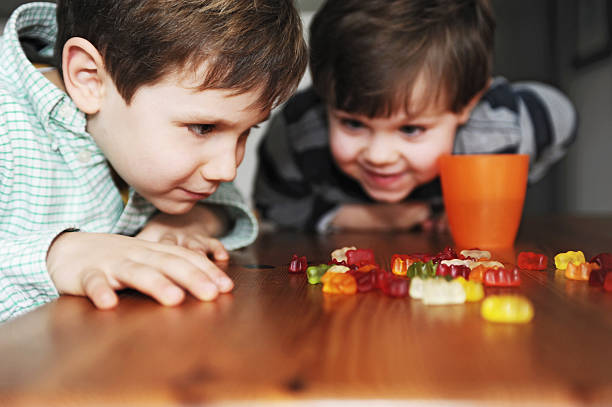
5. Snack Sorting & Counting
What You Need:
Snack mix (like crackers or cereal), muffin tin or sorting tray
What It Teaches: Early math (counting, comparing, grouping), Fine motor skills, Self-regulation (snack time as learning!)
How to Use It:
Ask your child to sort the snack by type or color before eating. Count each group aloud together. Try making patterns or simple addition problems with the pieces.
Let Learning Be Play
Remember, play-based learning isn’t complicated. It’s about tuning into your child’s natural curiosity and making space for exploration. These activities don’t require fancy materials, just intention and flexibility.
If you try any of these ideas, I’d love to hear how it went! Share your experience with me on Instagram @prekthefunway or leave a comment below.
Happy playing!
— Alysea